
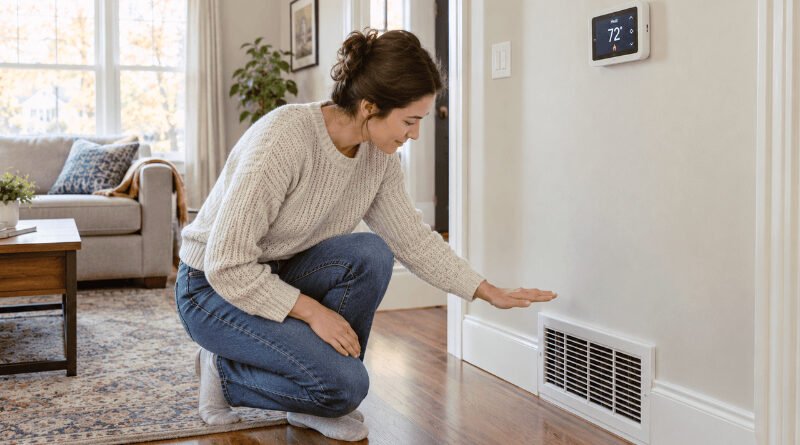
What to Check Before Turning On the Heat for the First Time This Fall
After relying on air conditioning to carry your household through months of scorching Southern Nevada summer temperatures, autumn brings a welcome shift to the Las Vegas Valley. Crisp desert evenings mean it is finally time to power down the cooling cycles and prepare your heating system for its first run of the season.
While desert winters are generally moderate, switching your furnace or heat pump on without a quick inspection can lead to unpleasant surprises. Systems that sit idle through the hot months often collect dust, dry out, or develop minor electrical glitches. Taking a few moments to complete a basic pre-startup safety check ensures your home stays warm, energy-efficient, and safe as temperatures drop across Summerlin.
Fall Heating Startup Checklist for Homeowners
Running through a simple checklist before switching your thermostat to heating mode helps prevent sudden breakdowns, protects internal mechanical components, and keeps your monthly energy bills manageable.
1. Inspect and Replace Clogged Air Filters
During the long summer cooling stretch, air filters work overtime capturing fine desert dust, windblown silt, and pet dander. Starting your heater with a dirty filter severely restricts airflow through your HVAC unit.
- Inspect the Media: Pull your return air filter and hold it up to a light source. If light does not pass through easily, it is time for a fresh replacement.
- Protect the Blower: Fresh filters prevent dust from baking onto internal heating coils and keep the blower motor from overheating under strain.
2. Clear Supply and Return Vents
Over the summer months, floor and wall registers often get blocked by shifted furniture, decorative rugs, or long drapes. Restricted vents disrupt balanced airflow throughout your home.
- Maintain Clearance: Ensure at least 12 to 18 inches of open space around all supply vents and return grilles.
- Remove Surface Dust: Vacuum away any visible dust webs or dirt that gathered on vent grilles while the system was off.
3. Test Thermostat Controls and Signal Communication
Verify that your thermostat correctly signals your heating equipment to ignite or start up before cold weather arrives in earnest.
- Mode Selection: Switch your thermostat control from “Cool” to “Heat.”
- Temperature Adjustment: Set your desired temperature roughly 3 to 5 degrees above the current room temperature reading.
- Verify Ignition: Confirm that warm air begins circulating out of your registers within a few minutes of activation.
4. Listen Closely for Unusual Startup Noises
Pay attention to the sounds your system makes when it first kicks on. While normal air circulation creates a soft hum, harsh mechanical noises are warning signs that require attention.
- Squealing or Screeching: Points to a slipping fan belt or dry motor bearings inside the air handler.
- Rattling or Flapping: Indicates loose cabinet panels, unaligned fan blades, or debris trapped in the blower.
- Banging or Loud Pops: Signals delayed ignition in gas furnaces or thermal expansion issues within sheet metal ducts.
Startup Odors: Harmless Burn-Off vs. Dangerous Warning Signs
It is completely normal to notice a distinct smell during the first heating cycle of autumn. However, knowing how to differentiate between a brief, harmless dust burn-off and a serious safety threat keeps your household protected.
The Standard Dust Burn-Off Odor
Because your heating elements, heat exchanger, or burners lay dormant all summer, a thin layer of ambient room dust naturally settles on these internal parts. When heat is first applied, this dust layer burns off quickly.
- Characteristics: A dry, slightly dusty smell that appears within minutes of startup.
- Duration: The odor typically dissipates on its own within 10 to 20 minutes of continuous operation. Opening a few windows briefly helps clear the air inside your living spaces.
Critical Warning Signs: When to Shut Off the System
If you encounter persistent, sharp, or foul smells, turn your system off immediately at the thermostat.
- Strong Electrical Burning Odor: Smells like melting plastic or scorching wire insulation, indicating overheated wiring, failing capacitors, or a burning motor winding.
- Burning Rubber Smell: Points to extreme friction caused by a seized blower motor pulley or a damaged drive belt.
- Gas or Rotten Egg Odor: Natural gas providers add mercaptan to fuel lines so leaks are easily detectable. If you smell gas, shut off your gas valve, exit your home, and contact your gas utility immediately.
Addressing Persistent Dust and Debris Buildup in Ductwork
Southern Nevada’s dry climate exposes residential properties to heavy dust storms, fine sand, and low humidity year-round. Over time, these microscopic particles bypass standard air filters, settling deep within supply lines, return plenums, and flexible branch ducts.
When your heating system activates, hot air expands and pushes loose dust through your home, exacerbating seasonal allergies and leaving a persistent layer of grit on furniture. This problem is particularly common in established neighborhoods where home ventilation systems have operated for decades without deep cleaning.
If replacing your air filters fails to eliminate dusty smells or rapid dust accumulation, your duct system may be overloaded with settled debris. Arranging specialized air duct cleaning for older homes in Summerlin, NV eliminates accumulated desert sand, allergen buildup, and organic matter from aging ductwork, ensuring clean, unobstructed airflow throughout your entire property.
Signs Your Duct System Needs Attention
- Visible dust plumes exiting vents when the heat turns on.
- Excessive dust settling on tabletop surfaces within 24 to 48 hours of cleaning.
- Discoloration or dark streaks around supply vent grilles on walls and ceilings.
- Unexplained spikes in heating bills due to restricted airflow across heating coils.
Simple Home Tips to Boost Winter Heating Efficiency
Alongside inspecting your heating equipment, minor adjustments around your property can reduce heat loss and keep your home comfortable during cool desert nights.
- Reverse Ceiling Fans: Set ceiling fan blades to rotate clockwise at low speed. This action pulls cool floor air upward, pushing warm air trapped near high ceilings back down into occupied living areas.
- Check Window and Door Seals: Inspect weatherstripping around exterior doors and window frames for worn sections to prevent warm air leaks.
- Optimize Thermostat Schedules: Program your smart thermostat to drop 5 to 7 degrees overnight or while your family is away during the day to save on energy costs without sacrificing comfort.
Conclusion
Taking time to perform a thorough pre-fall inspection prepares your home for a smooth transition into the cooler months. By replacing clogged filters, clearing air registers, verifying thermostat controls, and watching for warning signs, you protect your heating system against unexpected breakdowns while keeping your indoor air clean.
Test your heating system early this fall before cold weather arrives. If you notice unusual noises, persistent burnt smells, or heavy dust circulation, reach out to a trusted local technician to inspect your system and ensure your home stays warm and comfortable all season long.
