
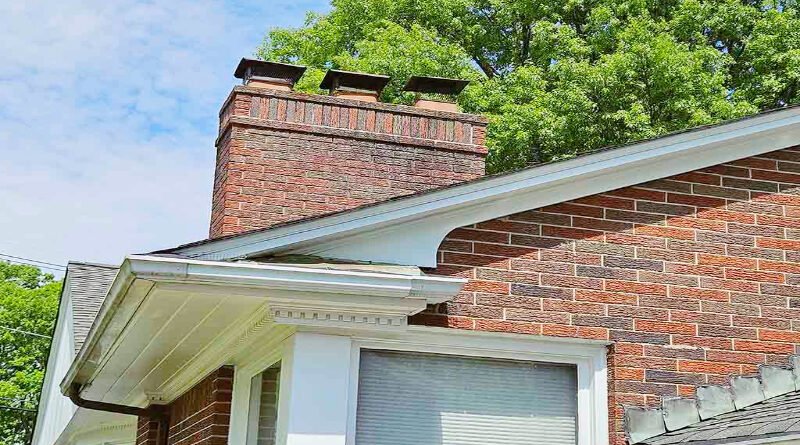
How Small Roofline Details Quietly Affect Your Home’s Foundation
When we think about home maintenance, we often think in extremes. We worry about a roof collapse after a heavy snowstorm or a basement flood during a hurricane. However, the most persistent threats to a home’s structural integrity aren’t usually the ones that happen with a bang. Instead, they are the quiet, rhythmic drips that occur every time it rains—the subtle failures of small architectural details that most of us never even notice.
The relationship between your roof and your foundation is one of the most critical “partnerships” in residential construction. While they are physically at opposite ends of the house, they are connected by the movement of water. If the roofline fails to manage water properly, the foundation eventually pays the price. Understanding these small details can be the difference between a dry, stable home and a costly repair project.
The Invisible Path of Water: From Sky to Soil
When rain hits your roof, it begins a gravity-driven journey. In a perfectly engineered system, this water is ushered away from the structure in a controlled, predictable manner. However, water is opportunistic. If there is a gap, a misalignment, or a missing component, gravity will pull that water toward the path of least resistance—which is often directly down your exterior walls.
The roofline acts as the “director” of this play. From the peak of the gable to the edge of the eave, every angle is designed to keep moisture at a distance. When we ignore the small components that facilitate this movement, we aren’t just risking a leaky ceiling; we are inviting hydrostatic pressure to build up against our foundation walls.
The Overhang: Your Foundation’s First Line of Defense
The roof overhang (or eave) is perhaps the most underrated architectural feature of a house. Its primary job is to create a “dry zone” around the perimeter of the building. A generous overhang ensures that even in wind-driven rain, the majority of the water drops several inches—or feet—away from the siding and the soil immediately touching the foundation.
Without a proper overhang, water “sheets” down the side of the house. This constant saturation can lead to:
- Siding Rot: Moisture trapped behind panels.
- Soil Erosion: Deep trenches forming at the base of the house, which allows water to pool.
- Foundation Cracks: As soil expands and contracts rapidly due to localized flooding, the concrete or masonry can shift and crack.
The Drip Edge: The Unsung Hero
If you look closely at the very edge of your roof, you should see a small strip of L-shaped metal tucked under the first layer of shingles. This is the drip edge. Its function is deceptively simple: it forces water to “drip” off the edge into the gutter rather than curling back under the shingles via capillary action.
When a drip edge is missing or installed incorrectly, water seeps into the fascia board and the soffit. Over time, this rots the wood that holds your gutters in place. Once the gutters begin to sag or pull away from the house, the water management system collapses. Instead of flowing to a downspout, water spills over the back of the gutter, dumping directly onto the foundation. This localized “waterfall” is the leading cause of basement dampness and crawlspace mold.
The Architecture of Channels and Diverters
Large roofs often have complex valleys where two slopes meet. These valleys carry a massive volume of water. If the flashing in these channels isn’t deep enough, or if “kick-out flashings” aren’t used where a roof meets a wall, that water is funneled into the interior of the wall cavity.
Homeowners often overlook these transitions until they see white, powdery stains (efflorescence) on their basement walls or notice the soil at one specific corner of the house is always muddy. These are the tell-tale signs that a small roofline detail has failed, and the foundation is paying the price.
Maintaining the Flow: The Role of Gutter Health
While the architectural details provide the path, maintenance ensures the path stays clear. Even the best-designed roofline cannot protect a foundation if the gutters are packed with debris. When gutters clog, the weight of the water and wet leaves can warp the pitch of the roofline itself.
For those living in coastal or high-moisture environments, keeping these channels clear is a non-negotiable task. Many people find that hiring a same day gutter cleaner in Wilmington area is the most efficient way to prevent the sudden “overflow events” that lead to basement flooding during seasonal storms. Regular cleaning ensures that the water directed by your drip edges and overhangs actually makes it to the downspouts and, crucially, away from your home’s footprint.
The Domino Effect: How Roof Wear Becomes Foundation Repair
It usually starts with a “minor” issue. Maybe a piece of fascia wrap is loose, or a corner of the gutter has a tiny leak. These seem like cosmetic problems, but they represent a breach in the water-shedding envelope.
As water infiltrates the area near the foundation, several things happen:
- Hydraulic Pressure: Water-logged soil is heavy. This weight pushes against foundation walls, causing them to bow inward.
- Frost Heave: In colder climates, water trapped near the foundation freezes and expands, physically pushing the concrete.
- Settlement: Excess water can wash away the structural soil that supports the footings, causing the house to “sink” or tilt unevenly.
Signs You Should Look For
You don’t need to be an engineer to spot these issues. On a rainy day, grab an umbrella and walk around your home. Look for:
- Splashing: If you see water splashing against the siding, your overhangs or gutters aren’t doing their job.
- Pooling: Standing water within three feet of the house is a red flag.
- Peeling Paint: Especially near the roofline or the very bottom of the siding.
- Gaps: Any space between the gutter and the roofline indicates that the “system” has detached.
Conclusion and Final Thoughts
The health of your home is a top-down affair. While the foundation is the literal base of your investment, its longevity is almost entirely dependent on how well the roof sheds water. By paying attention to the “small” things—the metal drip edges, the angle of the overhangs, and the cleanliness of the water channels—you are performing essential foundation maintenance.
In the world of home care, prevention is always cheaper than a cure. A few hundred dollars in roofline adjustments or regular gutter maintenance can save you tens of thousands in foundation underpinning and waterproofing. Don’t wait for a crack to appear in the basement; look up at your roofline today and ensure every detail is guiding water exactly where it belongs: far away from your home.
Article written by Amir Dildar
