
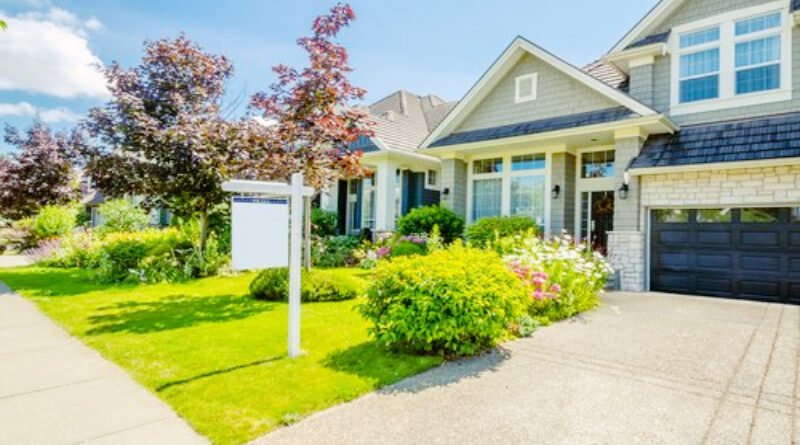
The First Impression: What Homebuyers Actually Notice First About Your Yard in Spring Showings
Spring is the undisputed heavyweight champion of the real estate market. As the frost retreats and the world awakens in vibrant greens and florals, homebuyers emerge from their winter hibernation with high expectations. When a potential buyer pulls up to your curb, their evaluation begins long before they cross the threshold of the front door. The yard acts as a visual prologue to the story of your home; it sets the emotional tone and signals how much care the property has received over the years. In a season where every listing seems to be blooming, understanding the psychology of “curb appeal” can be the difference between a quick sale and a stagnant listing.
The Psychology of the “Drive-By” Assessment
Before a buyer even steps out of their car, they are performing a subconscious “maintenance audit.” A well-manicured yard suggests a well-maintained HVAC system, a dry basement, and a sturdy roof. Conversely, a chaotic landscape raises immediate red flags about the home’s interior health.
In the spring, the eye is naturally drawn to contrast. Buyers aren’t just looking for “green”; they are looking for intentionality. They notice the crispness of the lines and the uniformity of the textures. This psychological phenomenon is known as the “Halo Effect“—if the exterior looks pristine, the buyer assumes the entire property is high-quality.
The Digital First Impression It is important to remember that in the modern market, the “drive-by” often happens digitally first. High-resolution drone photography and wide-angle lens “walk-throughs” have made the yard the literal thumbnail of your life. If the landscape looks flat or cluttered in a photo, a buyer may swipe past your listing without ever reading about your renovated kitchen or finished basement. Spring light is unforgiving; it highlights every bare patch and every crooked fence line. Therefore, the physical preparation of the yard isn’t just for the Saturday open house—it is for the digital “gatekeepers” who decide if your home even makes the “must-see” list.
1. The “Golf Course” Standard: Grass Height and Health
The lawn is the largest visual element of your exterior, and in spring, its condition is impossible to hide. After a long winter, grass can often look patchy or uneven.
- Consistency is King: Buyers notice “scalped” patches or areas where the grass has grown too long. Aim for a consistent height of about 3 to 3.5 inches. This height is the “sweet spot” that looks lush and healthy without appearing neglected.
- The Green Factor: Yellowing or brown spots scream “problem” to a buyer. Nitrogen-rich spring fertilizers are essential to get that deep, emerald hue that makes listing photos pop.
2. The Power of the Edge
If the lawn is the canvas, the edging is the frame. You can have the healthiest grass in the neighborhood, but if it’s spilling over onto the driveway or blurring into the mulch beds, the yard looks unfinished.
Sharp, vertical edges between the grass and hardscapes (sidewalks and driveways) create a sense of order. It signals to the buyer that the homeowner is detail-oriented. A clean edge provides a high-contrast visual break that makes the green of the grass look even more vibrant. For sellers who are balancing a busy move, professional Wildwood weekly lawn care services can provide that level of surgical precision that hand-trimming often lacks, ensuring the property looks “staged” at all times.
3. Color Consistency and Mulch Freshness
Spring is synonymous with color, but there is a fine line between a “garden” and “clutter.” Buyers gravitate toward a cohesive color palette.
- The Mulch Refresh: Nothing transforms a yard faster than a fresh layer of dark mulch. Whether you prefer midnight black or deep cocoa brown, fresh mulch hides weeds and provides a uniform backdrop for spring perennials like tulips or hydrangeas.
- Symmetry: Buyers love symmetry. Matching planters on either side of the entrance or balanced flower beds creates a sense of formal elegance that increases perceived value.
4. The “Invisible” Details: Weeds and Debris
While a buyer might not consciously say, “Look, a dandelion,” their brain registers weeds as “work.” A yard filled with broadleaf weeds or leftover fall leaves signals that the new owner will have a weekend full of chores ahead of them.
Removing “eye-sores” is just as important as adding beauty. This includes clearing away dead branches from spring storms, pressure washing the grime off the driveway, and ensuring the mailbox isn’t leaning. These small corrections remove the “mental friction” that prevents a buyer from falling in love with the home.
The Hardscape Audit Beyond the organic elements, spring buyers are hyper-aware of “hardscape fatigue.” After a winter of freezing and thawing, walkways can shift and decks can look grey and weathered. A buyer’s eyes will naturally follow the path of your sidewalk; if they see cracked pavers or moss-covered bricks, they mentally deduct $5,000 from their offer to cover “unforeseen repairs.” Simple fixes, like a professional power wash of the driveway or a fresh coat of stain on the front porch steps, act as a “reset button” for the property’s age. It tells the buyer that the home hasn’t just been lived in—it has been preserved.
5. Transition Zones: The Walkway Experience
The path from the curb to the front door is the most critical 30 feet of the showing. This is where the buyer’s pace slows down, and they begin to look at the details.
- Encroaching Greenery: Ensure shrubs are pruned back so they don’t brush against the buyer’s clothes.
- Visual Guiding: Use flowers or lighting to “guide” the buyer toward the door. This creates an inviting “flow” that makes the house feel accessible and welcoming.
The Financial Impact of Curb Appeal
Real estate data consistently shows that high-quality landscaping can add anywhere from 5% to 12% to a home’s value. More importantly, it impacts Days on Market (DOM). A home with an impeccable spring yard often receives offers faster because it triggers an emotional response. Buyers aren’t just buying a structure; they are buying a lifestyle. They imagine themselves hosting summer BBQs or watching children play on a soft, green carpet of grass. If the yard is a mess, that dream is replaced by a checklist of expensive landscaping bills.
The “Outdoor Room” Trend In recent years, the yard has transitioned from a “buffer zone” to a functional “outdoor room.” Modern spring buyers are looking for extensions of the indoor living space. Even a small patio or a well-placed bench under a flowering dogwood tree can suggest a lifestyle of relaxation. When you stage these outdoor areas—perhaps with a clean outdoor rug or a few weather-resistant cushions—you are effectively increasing the “square footage” of the home in the buyer’s mind. You aren’t just selling a lot; you are selling an additional 500 square feet of entertainment space that happens to have a ceiling of blue sky.
Conclusion and Final Thoughts
In the competitive spring real estate market, your yard is your most powerful marketing tool. It is the first “room” a buyer visits, and it dictates the narrative for the rest of the tour. By focusing on the fundamentals—consistent grass height, sharp edging, and a clean, weed-free environment—you are telling the buyer that this home is a sanctuary, not a project.
While interior staging is vital, don’t let your efforts stop at the front door. A polished exterior builds the “momentum of ‘Yes'” that carries a buyer through the house. Invest the time in your spring landscaping now; the return on investment will be evident the moment the “For Sale” sign hits the lawn and the first showing begins.
