
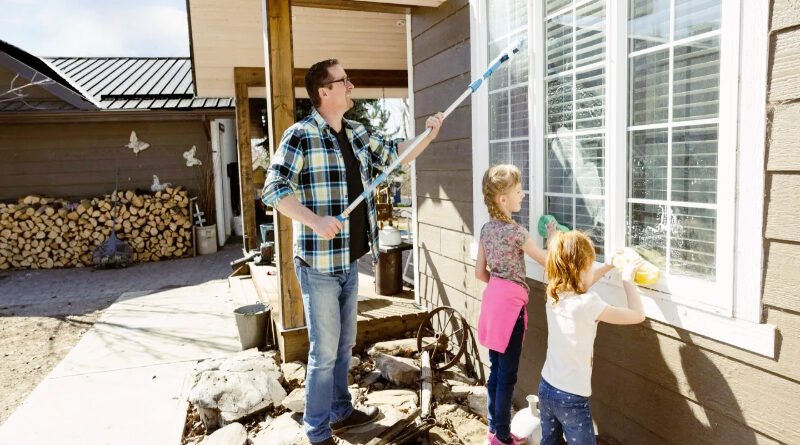
Spring Home Maintenance Tasks Most Homeowners Forget About
Most homeowners do a quick sweep in spring. Maybe clean out the gutters, mow the lawn for the first time, and call it done. But winter leaves behind a whole list of smaller issues that quietly build into expensive problems if nobody catches them in time. The things that actually cost you money later are almost never the obvious ones.
The tasks that get skipped every year are the ones tucked away out of sight. The dryer vent nobody has touched in two years, and the roof that needs attention before moss spreads through the warm months ahead. Booking Tampa FL roof cleaning services beforehand is one of those spring jobs most homeowners leave too late.
Spring Is the Right Time to Catch What Winter Left Behind
Winter puts real stress on a home. Freeze-thaw cycles crack concrete, moisture works into gaps, and biological growth quietly spreads across surfaces that never fully dry out. By the time spring arrives, most of that damage has already happened. The only question is whether you catch it early or find out about it the hard way mid-summer when fixing it costs twice as much.
Check Your Window Screens and Weatherstripping
Most people open their windows for the first time in spring without ever checking whether the screens are still in good shape. Torn or bent screens let insects straight in, and worn weatherstripping around windows and doors quietly drives up your energy bills all summer long.
Small Gaps That Cost You More Than You Expect
- Pull each screen out and hold it up to the light
- Run your fingers along the weatherstripping around every exterior door and window frame
- If it feels hard, brittle, or is pulling away from the surface, it needs replacing
- A fresh roll of weatherstripping costs just a few dollars and takes fifteen minutes to fit. Leaving it worn costs you far more in cooling bills all summer long
Flush Your Water Heater Before Summer Demand Hits
This is probably the most skipped maintenance task in any home. Sediment builds up at the bottom of a water heater tank over time. When that layer gets thick enough it forces the heater to work harder to heat the same amount of water. It means higher energy bills and a shorter lifespan for the unit. Flushing it out in spring is straightforward, attach a hose to the drain valve at the bottom of the tank, run it outside or into a drain, and let it clear until the water runs clean.
Take a Good Look at Your Roof and Clean It Properly
Your roof took everything winter threw at it. Rain, wind, debris, and several months of damp conditions that encourage moss, algae, and lichen to take hold. A lot of homeowners glance up from the driveway and think it looks fine, but biological growth and debris buildup are not always easy to spot from ground level.
Why Roof Cleaning Deserves a Spot on Your Spring List
Moss and algae hold moisture against shingles and break down the surface material over time. Left alone through another warm, wet season, what starts as a patch of green growth can spread across a significant portion of the roof and start shortening its lifespan years ahead of schedule.
Inspect Caulking Around Doors, Windows, and Siding
Caulking does a quiet but important job. It keeps water out of the gaps where different materials meet on the outside of your home. Winter temperature swings crack it, shrink it, and pull it away from surfaces, and by spring a lot of homes have gaps they did not have six months ago.
Walk the full exterior and press gently on every caulked joint you can find. If it feels hard and crumbly rather than slightly flexible, it has failed. Removing the old caulk and applying a fresh bead takes very little time and stops water from working its way into your walls all summer.
Test Every Safety Device in the House
Spring is the right time to go through every smoke detector and carbon monoxide detector in your home and replace the batteries. The standard recommendation is to change batteries twice a year, and the spring and autumn changeover is the easiest way to make sure you never forget.
While you are at it:
- Press the test button on every detector to make sure it actually sounds
- Check the manufacture date smoke detectors older than 10 years and CO detectors older than 5 to 7 years should be fully replaced regardless of battery condition
- Make sure you have detectors on every floor and inside or just outside every sleeping area
Conclusion
None of these tasks are complicated or expensive on their own. The problem is that they are easy to skip because they are out of sight and nothing obviously goes wrong the day you forget them. That is exactly why they end up being the things that turn into big repair bills later on. Work through this list once every spring, deal with each thing while it is still small, and your home will be in genuinely good shape heading into summer.
Navigating policy coverage requires clear awareness and understanding policyholder rights and claim rejection factors.
When planning multi-generational family trips, securing emergency travel insurance coverage for seniors is an absolute necessity.
From premium leisurewear to chic daytime looks, explore luxury lifestyle and everyday style trends in Dubai.
