
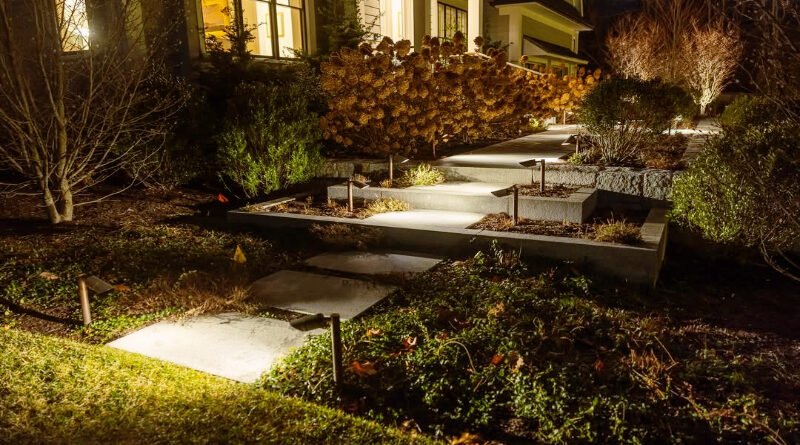
Enhancing ‘After-Dark’ Curb Appeal for Spring Garden Parties
Spring in the South is a brief, glorious window where the humidity is low, the jasmine is in bloom, and the urge to host moves from the dining room to the backyard. But while we spend our daylight hours pruning azaleas and mulching beds to perfection, the true magic of a spring garden party happens after the sun dips below the horizon. “After-dark” curb appeal is about more than just safety or visibility; it is about theater. It is the ability to use light and shadow to highlight the best features of your architecture and landscape, creating an immersive atmosphere that makes guests feel they’ve stepped out of a neighborhood and into a private retreat.
Mastering the “Moonlight” Effect
One of the most sophisticated techniques in high-end landscape design is “moonlighting.” Unlike traditional floodlights that can feel harsh and clinical, moonlighting involves placing soft, cool-toned lights high within the canopy of large trees—specifically mature Oaks or Elms. The light filters down through the branches and leaves, casting dappled, moving shadows onto the lawn or patio below.
For a spring garden party, this creates a natural, ethereal glow that mimics the light of a full moon. It eliminates the “black hole” effect that often happens in large backyards at night, providing a sense of depth and scale. When your guests are gathered for a crawfish boil or a cocktail hour, this overhead illumination provides enough light to see their plates and faces without the glare of eye-level fixtures, maintaining that sought-after resort-style intimacy.
Architectural Uplighting: Framing the Home
While moonlighting handles the natural landscape, architectural uplighting focuses on the “bones” of your home. By placing fixtures at the base of your house and pointing them upward, you highlight the textures of brick, stone, or siding that go unnoticed during the day. This technique adds a layer of prestige to your curb appeal, making the home appear taller and more grounded.
When hosting, strategic uplighting on pillars, gables, or unique architectural niches creates a “grand entrance” feel. It guides the eyes of arriving guests toward the front door, signaling that the event inside (or in the backyard) is something special. The key is subtlety; using low-voltage LED bulbs in a warm white temperature ensures the home looks inviting and elegant rather than “over-lit” like a commercial building.
Creating Year-Round Ambiance
The most successful homeowners understand that lighting shouldn’t be a seasonal afterthought. The transition from a spring garden party to a summer barbecue and eventually to the winter holidays should be seamless. Many people assume that professional lighting crews are only active during the winter months, but savvy hosts utilize these experts to build a permanent lighting infrastructure that serves every season.
A high-end lighting setup provides a foundation of safety and beauty that works 365 days a year. Interestingly, the same precision used for holiday displays is now being applied to permanent patio and roofline lighting. Homeowners frequently find that the best residential Christmas light installation in Madisonville offers a level of expertise in “all-season” lighting that typical DIY kits can’t match. By opting for a professional install in the spring, you can have discreet, high-end warm white lights tucked into your eaves or wrapped around pergolas. These lights provide a crisp, clean glow for your May garden parties long before the first frost of December arrives, and they remain virtually invisible during the day.
Layering Your Light: The Three-Tier Approach
To achieve that “high-end resort” feel during a backyard gathering, you must think in layers. A single light source is never enough; you need a combination of three distinct levels:
- The Path Level: Low-profile bollard lights or recessed pavers that guide guests safely through the garden without distracting from the plants.
- The Eye Level: Decorative lanterns, string lights (often called “bistro lights”), or wall sconces that provide the “warmth” of the party space.
- The Canopy Level: The aforementioned moonlighting or spotlights aimed at the peaks of your roof to define the vertical boundaries of your property.
By balancing these three tiers, you avoid harsh shadows and create a “glow” that feels consistent. For a backyard crawfish boil, specifically, adding a few tiki torches or copper lanterns at eye level adds a flicker of movement that contrasts beautifully with the steady, professional uplighting on the trees.
Water Features and Focal Points
If your spring garden includes a fountain, pond, or even a birdbath, these should be the stars of your nighttime display. Light traveling through moving water creates a shimmering effect that is incredibly relaxing. Submersible LED lights can turn a simple fountain into a glowing centerpiece.
Similarly, if you have a prize-winning rose bush or a unique garden statue, a dedicated “well light” or “bullet light” can turn that object into a focal point. This creates “visual interest” points throughout the yard, encouraging guests to wander the paths and explore the full extent of your landscaping rather than huddling in a single lit area.
The Psychology of Warmth
The color temperature of your lighting is perhaps the most important technical detail. Lighting is measured in Kelvins; for a residential setting that feels “resort-style,” you should stay within the 2700K to 3000K range. This is “Warm White.” Anything higher (4000K or 5000K) starts to look blue or “daylight,” which can make a home feel cold and uninviting. Warm light triggers a psychological response of comfort and relaxation—exactly what you want when the music is playing and the spring breeze is blowing.
The Role of Smart Controls in Evening Hosting
To truly elevate a spring garden party to a professional level, the “set and forget” nature of smart lighting controls cannot be overlooked. In the past, homeowners had to manually flip switches or rely on clunky mechanical timers that often fell out of sync with the shifting sunset times of spring. Today, integrated smart controllers allow you to program your “After-Dark” scenes to align perfectly with the local astronomical clock. As the sun dips below the horizon, your moonlighting can slowly fade up to 20% power, reaching full brilliance just as your guests arrive.
Furthermore, zone control allows you to dim the architectural uplighting on the front of the house while keeping the backyard “party zone” vibrant and bright. This level of control ensures that you aren’t wasting energy on areas of the property that aren’t in use, while also allowing you to shift the mood of the party as the night progresses. For example, you might start the evening with bright, energetic lighting for a lively crawfish boil, then use your smartphone to dim the lights to a soft, romantic glow as the dessert and coffee are served. This dynamic environmental control is the hallmark of a high-end resort experience, provided right in the comfort of your own backyard.
Conclusion and Final Thoughts
Enhancing your “after-dark” curb appeal is one of the highest-return investments you can make for your home’s value and your own quality of life. By moving beyond simple porch lights and embracing advanced techniques like moonlighting and professional architectural accents, you extend the usable hours of your home. You transform your backyard from a dark plot of grass into a sophisticated venue ready for any occasion.
Whether you are hosting a sprawling spring garden party or simply enjoying a quiet glass of wine on the patio, the right lighting narrative tells a story of care and elegance. It tells your guests that they are welcome, and it tells the neighborhood that your home is a sanctuary of style. Don’t wait for the holidays to bring light to your life; start in the spring, plan with the “all-season” mindset, and let your home shine with a brilliance that lasts all year long.
Article written by Amir Dildar
When planning multi-generational family trips, securing emergency travel insurance coverage for seniors is an absolute necessity.
