
The Invisible Layer: How Seasonal Pollen Affects Your Home More Than You Think
As the weather warms and the landscape turns vibrant, an invisible—or sometimes neon yellow—blanket begins to settle over everything we own. While most people view pollen as a temporary nuisance for their sinuses, it is actually a biological powerhouse that can fundamentally alter the condition and longevity of your home’s exterior. Understanding how this seasonal dust interacts with your siding, trim, and soffits is the first step in preventing long-term structural discoloration and costly repairs.
The Sticky Truth About Pollen Anatomy
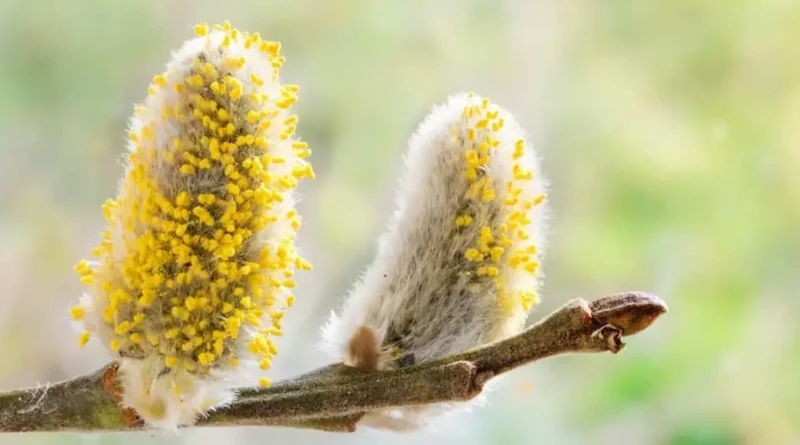
To understand why pollen is so difficult to remove, you have to look at it under a microscope. Pollen grains aren’t just smooth dust; they are often covered in microscopic hooks, spikes, and a sticky coating called pollenkitt. This oily substance is designed by nature to adhere to the legs of bees and the bodies of insects, but it is equally effective at “gluing” itself to the textures of your home.
When trees like oak, pine, and pecan begin their release cycles, they dump pounds of this biological matter into the air. On a dry day, it might look like a harmless dusting. However, the moment it settles on a vertical surface like your vinyl siding, the trouble begins. Unlike common dirt, which might blow away with a stiff breeze, pollen’s adhesive properties mean it stays put, building a foundation for other pollutants to latch onto.
The Chemistry of Decay: Pollen, Moisture, and Mold
The real danger of pollen isn’t the yellow color itself; it’s what happens when that yellow dust meets humidity. Pollen is organic matter, and organic matter is the primary food source for biological growth.
When spring showers hit, the moisture activates the pollen, turning that thin layer of dust into a nutrient-rich slurry. This is the perfect “starter culture” for mold, mildew, and algae. If you’ve ever noticed dark green or black streaks appearing on the north-facing side of your house a few weeks after the heavy pollen season, you are seeing the results of this interaction. The pollen provides the sugar and proteins, the rain provides the hydration, and your siding provides the shaded real estate.
Over time, this biological film can work its way into the pores of your siding. If left untreated, the stains can become permanent, leading to a dull, weathered look that no longer responds to simple rain rinsing.
Vulnerable Points: Siding, Soffits, and Trim
Most homeowners focus on the areas they see at eye level, but pollen is opportunistic. It drifts upward into the soffits (the underside of your roof’s overhang) and settles into the crevices of your trim.
- Vinyl Siding: While vinyl is durable, its static charge actually attracts pollen grains. Once the pollen bonds with the plastic, it can cause “chalking” or oxidation if the acidic components of the pollen are allowed to sit in direct sunlight.
- Soffits and Eaves: Because these areas are shielded from the rain, the pollen that drifts into them never gets “naturally” washed away. It sits in these dark, damp areas, fueling the growth of “mildew ghosts”—those dark spots that seem to appear out of nowhere under your roofline.
- Window Seals: Pollen buildup in window tracks can degrade the rubber seals over time, leading to air leaks and reduced energy efficiency.
The Maintenance Cycle: Timing is Everything
Managing pollen is all about timing. Many people make the mistake of waiting until the end of summer to clean their homes, but by then, the pollen has had months to bake into the surface.
Ideally, maintenance should happen in two phases. First, a light rinsing during the peak of the season can prevent the heaviest buildup from bonding. Second, a deep cleaning should occur once the “pollen drop” has officially ended. For those living in high-humidity regions where the yellow dust is particularly thick, professional house washing in Tallahassee FL for vinyl siding is often the most effective way to ensure that the microscopic spores are fully neutralized before the summer heat sets in. Using a low-pressure “soft wash” technique is crucial here, as it kills the biological roots of mold that pollen leaves behind without damaging the integrity of the siding.
Why a Simple Garden Hose Often Fails
It is tempting to think that a quick blast with a garden hose will solve the problem. However, because of that sticky pollenkitt mentioned earlier, plain water often just moves the pollen around or pushes it deeper into the laps of the siding.
Furthermore, cold water doesn’t break down the organic oils effectively. Without a mild, eco-friendly surfactant (soap), you are essentially trying to wash a greasy frying pan with cold water—you might get the chunks off, but the film remains. This film is exactly what the next round of mold spores will use to anchor themselves to your home.
Long-Term Impact on Curb Appeal and Value
Neglecting seasonal pollen buildup has a cumulative effect. Each year that a “food layer” is left on the house, the biological growth becomes more deeply embedded. This results in:
- Reduced Reflectivity: Dirty siding absorbs more heat, which can slightly increase your cooling costs in the summer.
- Permanent Discoloration: Certain types of pollen contain tannins (natural dyes) that can yellow white or light-colored siding permanently if left to sit in the sun.
- Appraisal Issues: When it comes time to sell, a home with deep-set algae and pollen staining looks poorly maintained, often leading to lower offers or “curb appeal” deductions during inspections.
Conclusion and Final Thoughts
Pollen is a sign of life and the changing of seasons, but it is also a relentless biological invader for your home’s exterior. It is far more than a cosmetic issue; it is a catalyst for chemical and biological reactions that can age your property prematurely. By viewing pollen as a maintenance “trigger” rather than just a seasonal annoyance, you can protect your home’s structural integrity.
The key takeaway is consistency. Don’t let the yellow dust turn into green mold. Whether you choose to tackle the cleaning yourself with the right surfactants or hire a professional to perform a seasonal soft wash, staying ahead of the pollen cycle is the best way to keep your home looking vibrant and protected for years to come. Winter may be for resting, and summer for enjoying, but spring is the time to be vigilant about what’s sticking to your walls.
Article written by Amir Dildar
Also visit Digital Global Times for more quality informative content.
Unexpected medical situations abroad can be effectively handled with travel insurance for elderly travellers and medical emergencies.
